



America’s national parks are some of our greatest treasures—places where ancient granite walls meet endless skies, where wildlife still roams freely, and where countless visitors find awe, perspective, and peace. But they’re also fragile. And during the recent government shutdown, we witnessed exactly how vulnerable these landscapes are: overflowing trash bins, damaged facilities, cut-down trees, off-trail destruction, and increased wildlife stress. It was a heartbreaking reminder of why eco-friendly travel isn’t optional—it’s essential.
At Lasting Adventures, we’ve spent nearly 30 years guiding guests through Yosemite, Olympic, and other wild spaces. We’ve watched firsthand how the smallest choices can leave the most significant marks. The good news? It’s absolutely possible to experience epic adventure while protecting the places you love. It simply starts with traveling mindfully and embracing principles that put nature first.
Below are actionable ways to minimize your impact, inspired by the Leave No Trace (LNT) framework and grounded in our own daily practices on the trail.
1. Plan Ahead and Prepare
One of the most significant sources of accidental impact comes from being unprepared. During the shutdown, many visitors entered closed or understaffed areas without understanding conditions or rules—leading to unsafe situations and unnecessary damage.
How to minimize your footprint:
- Check park alerts, trail closures, and seasonal restrictions.
- Pack the right gear, layers, and food—avoiding single-use packaging whenever possible.
- Understand local regulations, wildlife protocols, and weather patterns.
- Choose times and trails that help disperse visitation.
At Lasting Adventures, we help guests prepare thoroughly and offer free gear rentals to reduce waste and unnecessary purchases.
2. Travel and Camp on Durable Surfaces
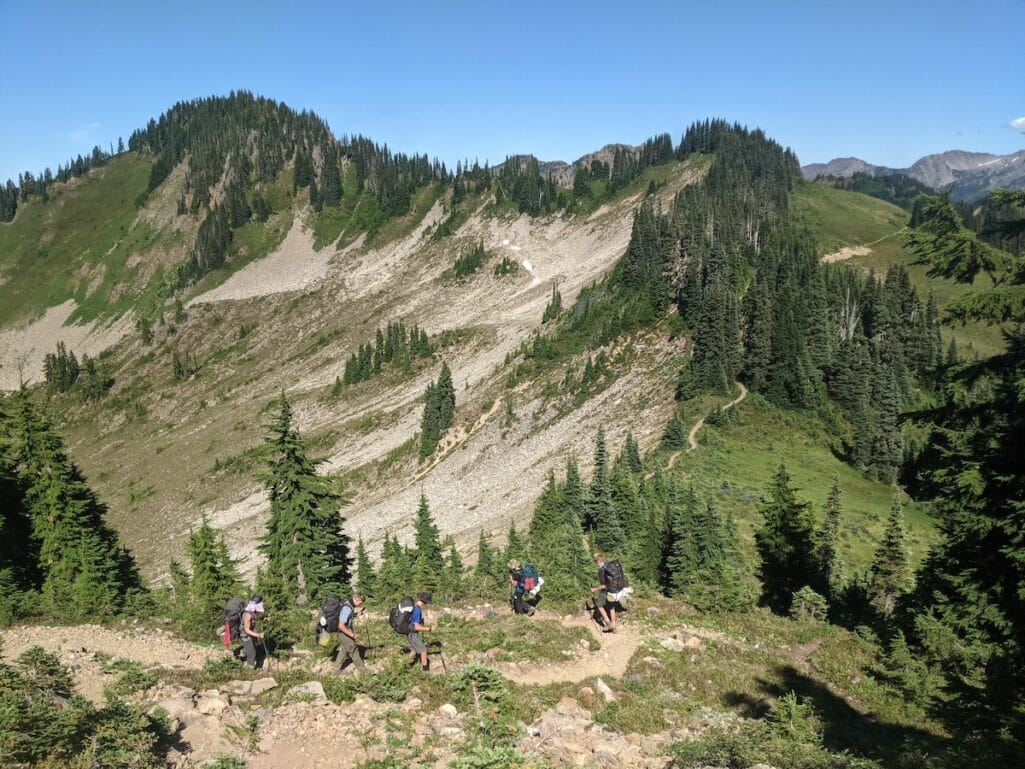
Crowded parks during the shutdown saw more off-trail wandering than usual, which directly harms soil, plant life, and animal habitat.
Stick to established trails and campsites whenever available. If exploring off-trail in approved areas, walk on rock, sand, or dry grasses—surfaces that can endure more impact. Avoid cryptobiotic soil, wetlands, meadows, and fragile vegetation.
3. Dispose of Waste Properly
With trash services halted during the shutdown, waste piled up quickly—creating hazards for wildlife and degrading visitor experience.
A simple rule solves most problems: If you bring it in, you take it out.
This includes:
- Food scraps
- Toilet paper
- Hygiene products
- Micro-trash (like corner wrappers or bar tabs)
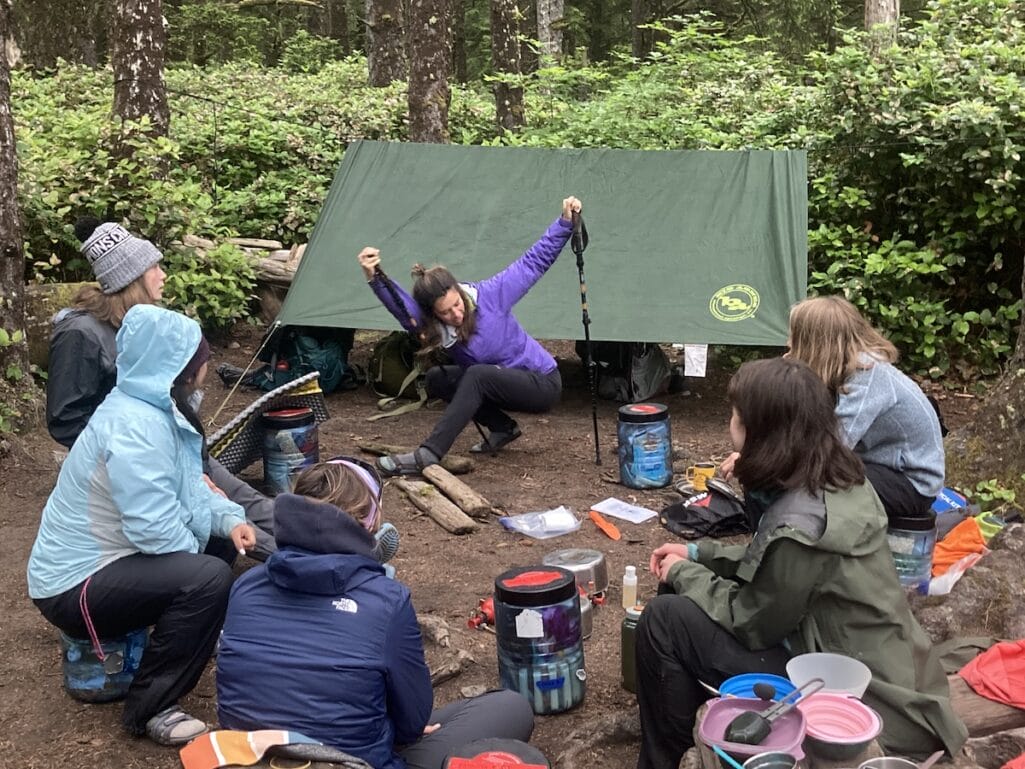
For human waste, dig catholes 6–8 inches deep and 200 feet from water sources, or use provided facilities when available. Our guides model and teach these practices every day on the trail (if they’re getting enough fiber!).
4. Leave What You Find
During periods of reduced supervision, more visitors pocketed natural items, carved names into trees, or disturbed cultural sites.
Instead:
- Take photos, not souvenirs
- Avoid building cairns or altering the landscape
- Protect historical and cultural features
- Keep wild places wild
These small choices ensure others can experience the same sense of discovery.
5. Minimize Campfire Impacts
Illegal fire rings and fire damage increased during the shutdown. With rising wildfire risk across the West, responsible fire use is more important than ever.
To reduce your impact:
- Use camp stoves instead of open fires
- Follow all fire bans
- If fires are permitted, use existing rings only
- Burn small, local wood until reduced to ash
- Fully put out all fires until cool to the touch!

On many of our guided trips, especially during summer, we skip campfires entirely to better protect the landscape.
6. Respect Wildlife
When park staffing is reduced, wildlife often suffers—receiving exposed human food, navigating more off-leash dogs, and encountering visitors who get too close.
Keep wildlife safe by:
- Storing food properly
- Giving animals ample space (use the “thumb test”—if your thumb doesn’t cover the entire animal from arm’s length, you’re too close)
- Never feeding animals
- Traveling quietly and respectfully through their habitat
Remember: wildlife shouldn’t have to adapt to us; we should adapt to them.

7. Be Considerate of Other Visitors
A surge in unsupervised visitation during the shutdown revealed how easily overcrowding can diminish everyone’s experience.
Practice trail courtesy by:
- Yielding to uphill hikers
- Keeping voices low and music in headphones
- Choosing off-peak times when possible
- Being patient and kind in high-traffic areas
The more thoughtful we are, the more magical the experience becomes for all.
Adventure With Less Impact
Our national parks are extraordinary, but they aren’t invincible. The government shutdown showed us exactly what happens when millions of visitors enter these spaces without adequate services, support, or stewardship. The beauty of eco-friendly adventure travel is that it empowers each of us to be part of the solution.
At Lasting Adventures, we’re committed to educating guests, modeling responsible recreation, and leading trips that deepen both connection and respect for the wild. Whether you’re joining us for a backpacking adventure, a day hike, or one of our youth programs, we hope you’ll help us protect these treasured places—today, and for generations to come. Ready to explore responsibly?
Join us on a guided adventure designed for low-impact, high-inspiration experiences in Yosemite, Olympic, Joshua Tree, and beyond.
The post Eco-Friendly Travel: How to Minimize Impact on National Parks appeared first on Lasting Adventures | Top-Rated Guide Services.